On Monday morning, the Cache Valley Daily ran a headline that most of the ski industry scrolled past: Cherry Peak Resort, listed for sale at $22.5 million.
I didn’t scroll past it. A ski resort listing is one of those data points that tells you more about the real economics of this industry than any NSAA annual report ever will.
Here’s what I actually see in that number.
$22.5M Buys Assets, Not a Business
Cherry Peak sits northeast of Logan, Utah — a legitimate mountain with 1,300 skiable acres and a loyal Cache Valley base. In a state stacked with world-class competition (Alta, Snowbird, Park City, Deer Valley — all within two hours), it’s a community resort fighting a structural headwind.
The $22.5M price tag almost certainly reflects what appraisers call asset replacement cost — the lifts, snowmaking systems, grooming fleet, lodge infrastructure, and the land. It is not an earnings multiple. At the community resort scale, with that competitive pressure, EBITDA margins are thin even in banner snow years. Buyers in this market aren’t writing checks based on cash flow. They’re writing them based on what they believe the physical asset is worth and what they believe they can make the business become.
That is a very different calculus than acquiring a profitable company.
The Capital Reality No Listing Advertises
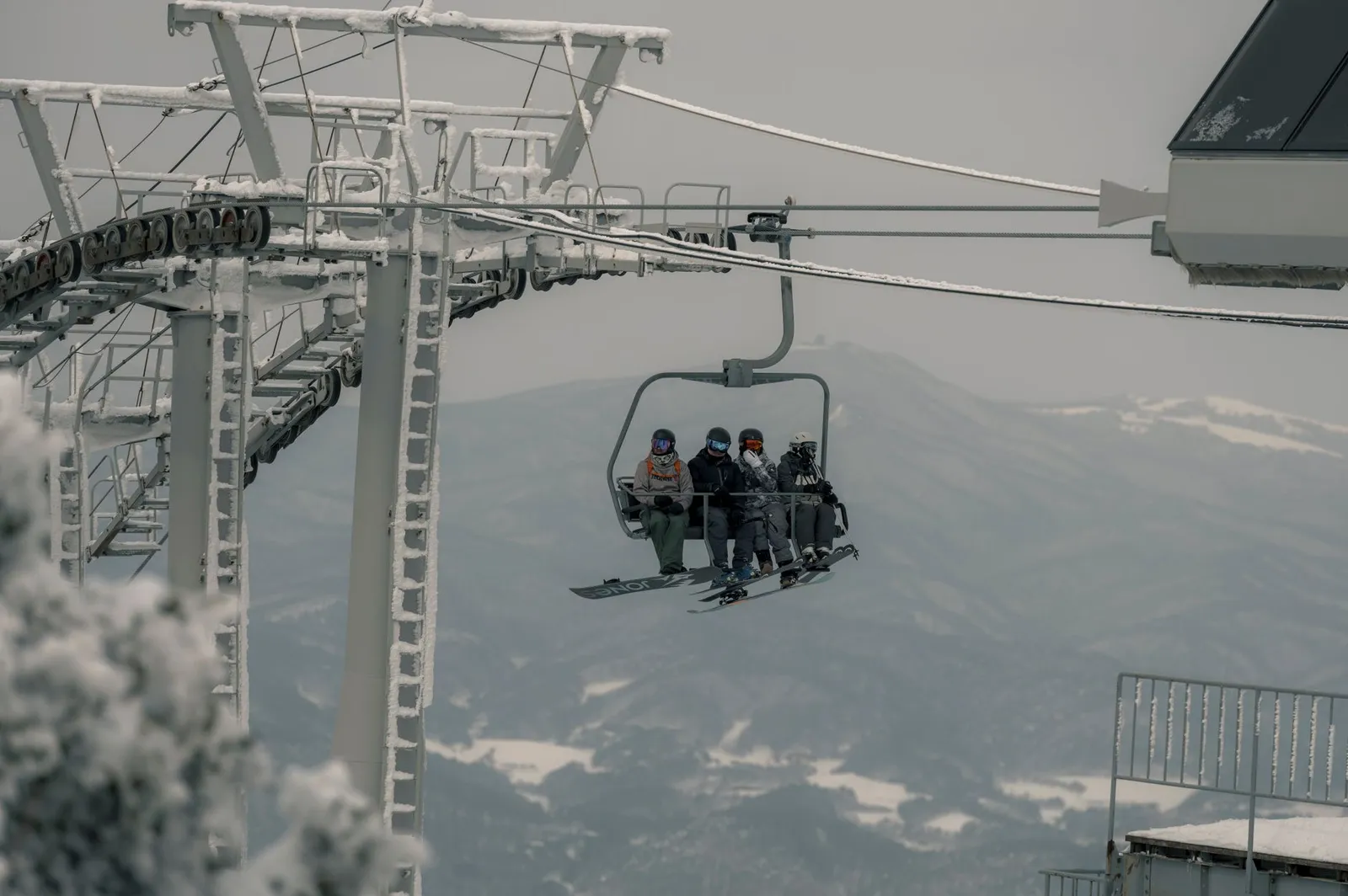
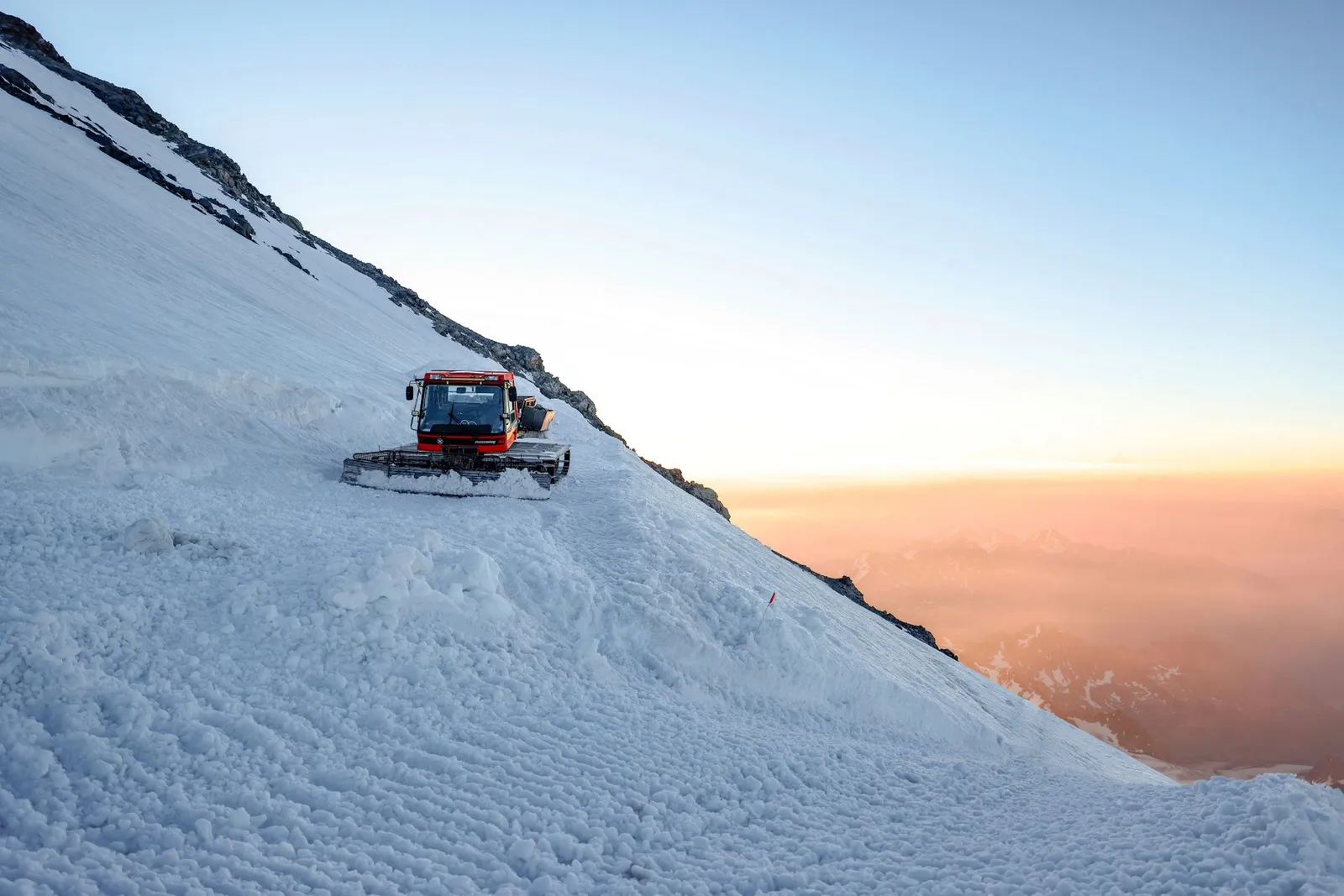
Here’s what a $22.5M acquisition actually unlocks: decades of capital decisions that are now yours. Snowmaking pumps age. Lift towers require annual inspection and eventual replacement. Lodge HVAC, grooming fleet maintenance, terrain park budget — each one is a multi-year decision that most small resort operators make with genuinely limited resources and little margin for surprise.
The resorts that thrive at the Cherry Peak scale are the ones that have found a niche they own: a geography that the megaresort passes can’t replicate, a community loyalty that runs deeper than a day-trip deal, and — increasingly — a marketing operation that punches way above its budget.
We covered how Jay Peak built community loyalty into a genuine competitive weapon — and that model scales down to any mountain. The independent resorts that survive in this environment all have a version of the same story: they figured out who their people are and committed to them. Eagle Point’s crisis showed exactly what happens when that foundation isn’t there.
Three Questions I’d Ask Before Making an Offer
If I were evaluating Cherry Peak, here’s what I’d want answered before signing anything:
- Pass renewal rate. What percentage of last season’s passholders returned this year? At a community resort, that number is the real health signal — it tells you whether the local loyalty is genuine or just low-base convenience.
- Snowmaking coverage percentage. In a variable climate, snowmaking capacity is the difference between a viable business and a weather-dependent gamble. It’s also the most capital-intensive upgrade.
- Infrastructure age profile. How many major capital decisions are you inheriting in the next one to three years? The listing price is just the beginning of the cash commitment.
The ski resort acquisition market is a long game. The operators who get it right understand they’re not buying a business so much as buying a community institution. And the price of failing that community is higher than any listing price.
It’s all downhill from here — in the best possible way, if you do the work.
What would your offer thesis be if you were looking at a community mountain like this?