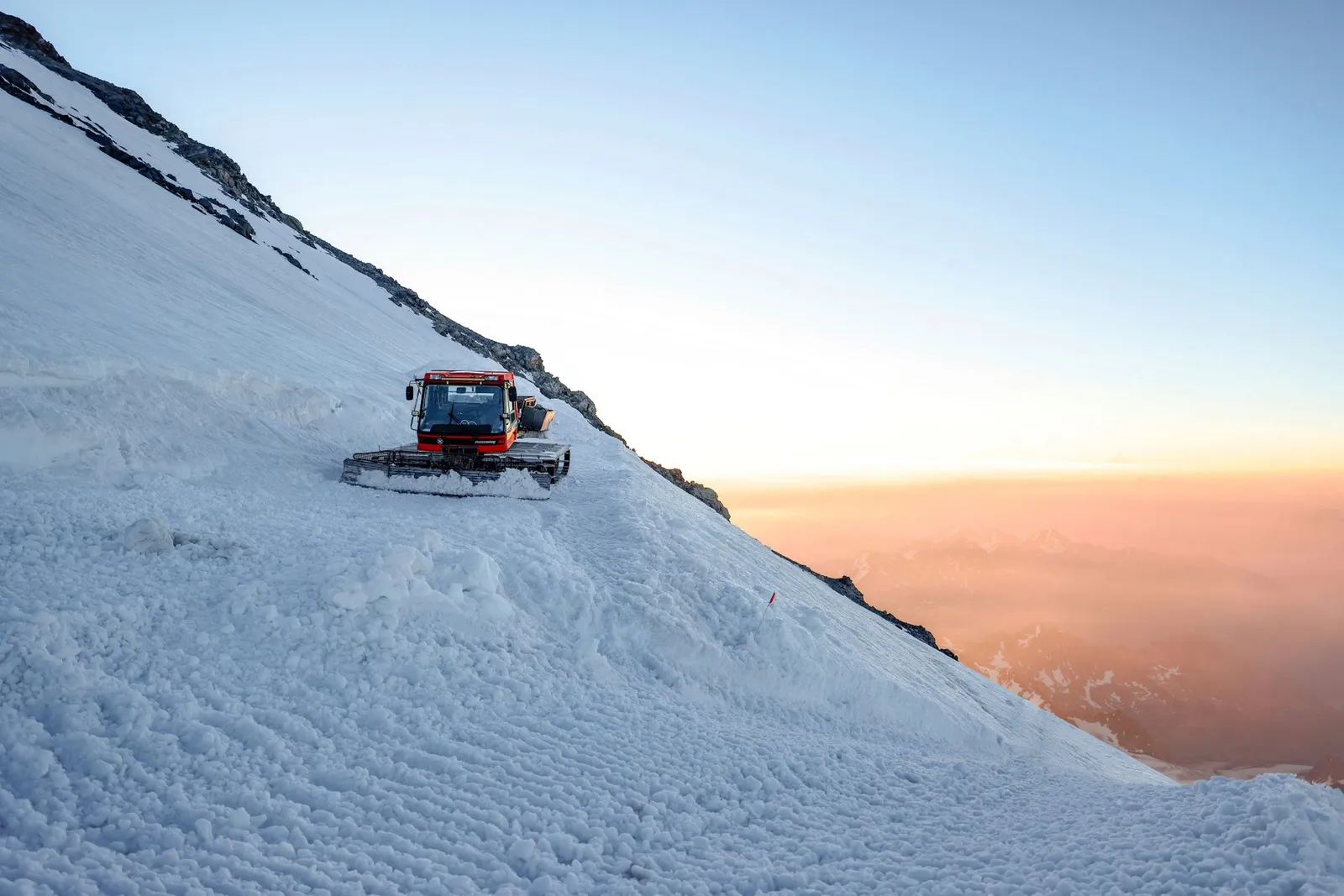
At 7:30 AM on a January morning in a standard-time year, the sky over a steep avalanche path starts to brighten just enough. Patrol loads the gun. The window works.
If the Sunshine Protection Act becomes law — and after the House passed it 308–117 on July 14, it’s closer than it’s ever been — that window shifts by a full hour. Whether that’s a problem, a minor adjustment, or genuinely irrelevant depends on where your mountain sits, and I want to cut through the noise and tell you what it actually means for operations.
What the Bill Actually Does
The bill makes Daylight Saving Time permanent. No more spring-forward/fall-back. Year-round, clocks stay at summer time. The practical result: in deep winter, the sun rises about 60 minutes later than it does today. In Denver, that means a January sunrise at roughly 8:15 AM instead of 7:15. In Seattle, you’re looking at closer to 9:00 AM.
The bill still needs Senate approval — Senator Tom Cotton is the loudest opponent, citing children walking to school in darkness — and then Trump’s signature, which is expected. Timeline is genuinely uncertain. Could be 2027 season, could be later.
The Avalanche Window Problem Is Real — But Region-Specific
This is where I’ve seen the most hyperbole in early coverage, so let me be specific.
For resorts in the northern tier — think Washington, Oregon, northern Idaho — winter sunrises already push toward 8:00 AM. An hour delay is legitimately gnarly. Morning avalanche-control rounds that currently wrap up before first chair at 9:00 AM get compressed into a tighter window, or pushed up against lift-open time in ways that create operational stress.
For Colorado and Utah resorts, the math is more manageable. A Denver-area patrol team that currently starts at 5:00 AM and uses headlamps anyway isn’t losing anything meaningful from a sunset-shift on sunrise. The sun wasn’t helping them at 5 AM before the change.
The Tourism Industry Association of Alberta flagged this exact issue earlier this year when Alberta considered its own version of the bill, noting winter sunrises as late as 9:30 AM in some parts of the province. That’s the actual operational edge case.
Guest Arrival Patterns Shift Too
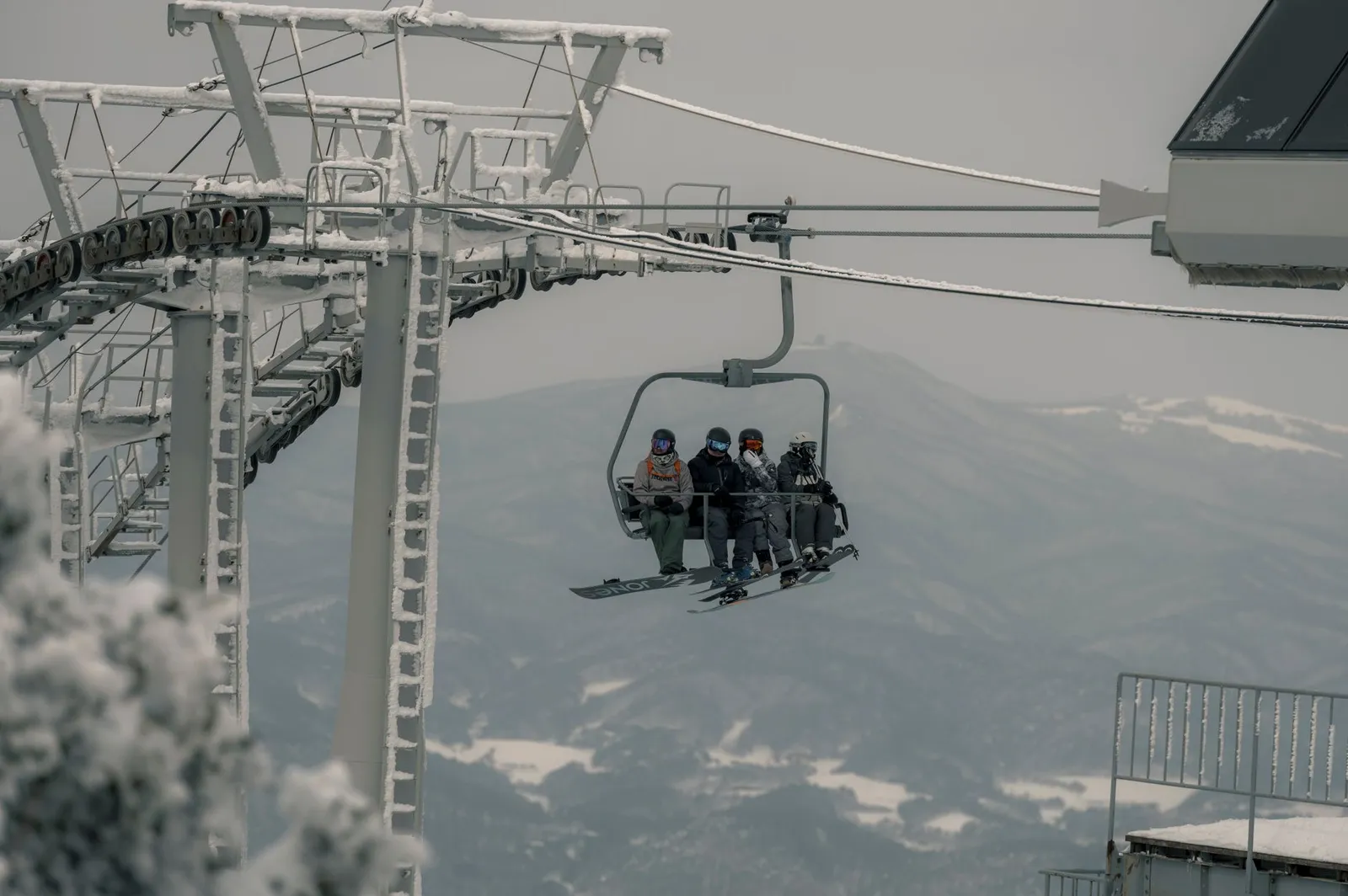
Here’s the piece that nobody’s writing about: your guests’ morning behavior. Skiers driving up for a 9:00 AM first chair currently leave when it’s dark, arrive as it’s light. With a permanent DST shift, the highway drive looks different. Families with kids are navigating darker mornings.
This matters for your morning arrival marketing. “First Tracks” packages and dawn-patrol-style early-bird urgency plays that lean on the sunrise moment need to be re-evaluated. The vibe is different when sunrise is at 8:45 instead of 7:45.
What the Bill Does NOT Change
It does not change your season length, your snowfall, or your competitive position against other passes. It does not affect your summer operations in any meaningful way — summer sunrises are largely unaffected. And it does not take effect immediately; resorts have time to adjust scheduling, staffing models, and patron communications.
It also — and this is worth saying — affects every mountain in the country equally. If your direct competitors are navigating the same operational sunrise shift, no one gets a structural advantage.
The Practical Prep List (Right Now)
The Senate vote is months away. But the smart move today is to put this on the ops calendar for early 2027 planning — not because it’s urgent, but because it’s the kind of change that bites you if you adapt it ad hoc the week before opening day.
- Flag it with your patrol director: does your current avalanche-control protocol rely on daylight thresholds?
- Check your first-chair time vs. current sunrise in January at your latitude. The gap is your buffer.
- Pull your parking lot arrival data from past January mornings. Model what an hour shift does to peak arrival times.
- Review any “sunrise” or “first light” language in your marketing — it may need updating.
The bottom line: for most US resorts, this is an operational adjustment, not a crisis. For northern-latitude operations with tight patrol-to-first-chair windows, it’s worth a genuine engineering review now while there’s time to design around it.
Is your patrol director already thinking about this? I’d genuinely like to know — because I haven’t seen a single ski resort operations team publicly engage with it yet, and that feels like a missed opportunity to shape the conversation.