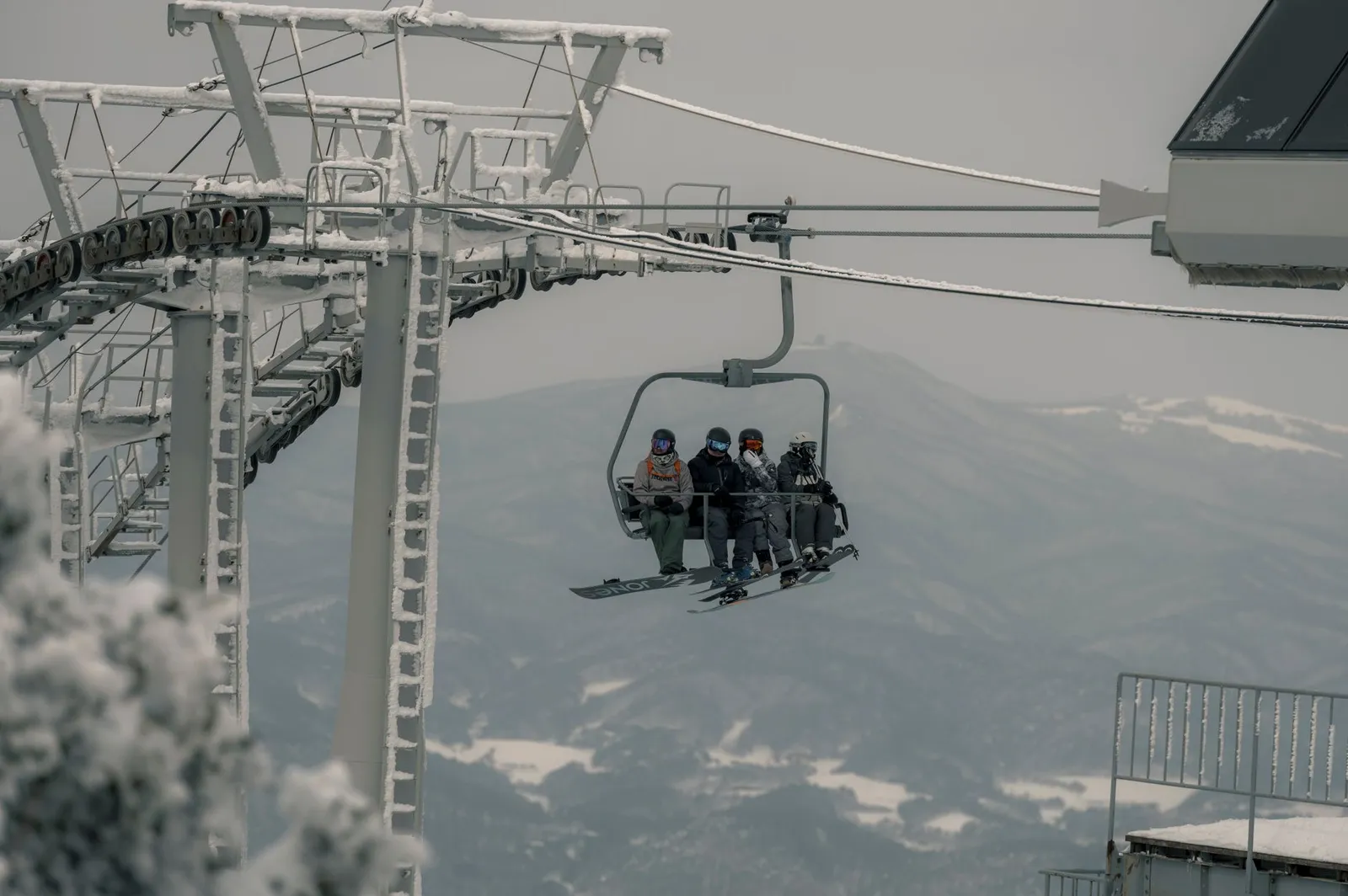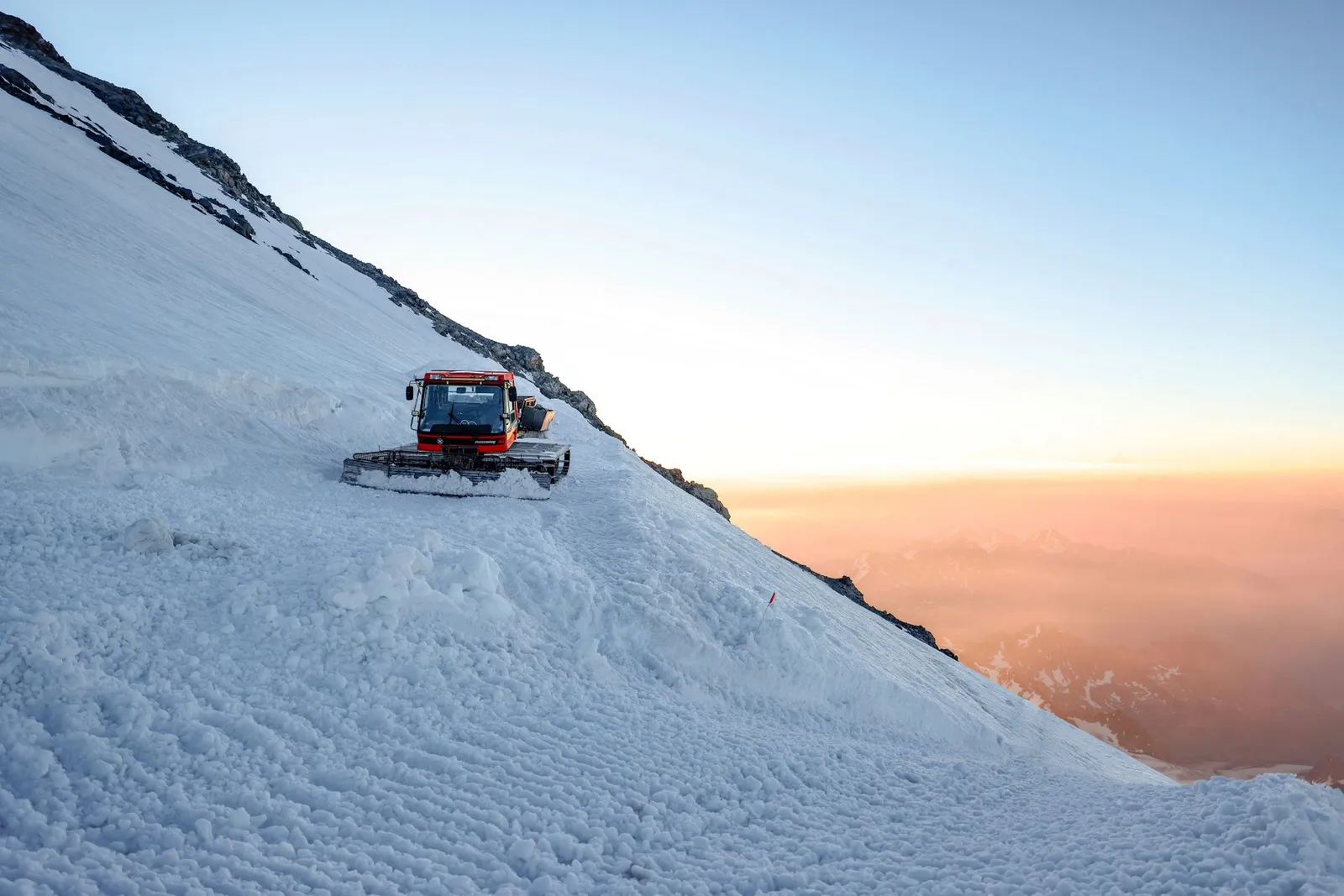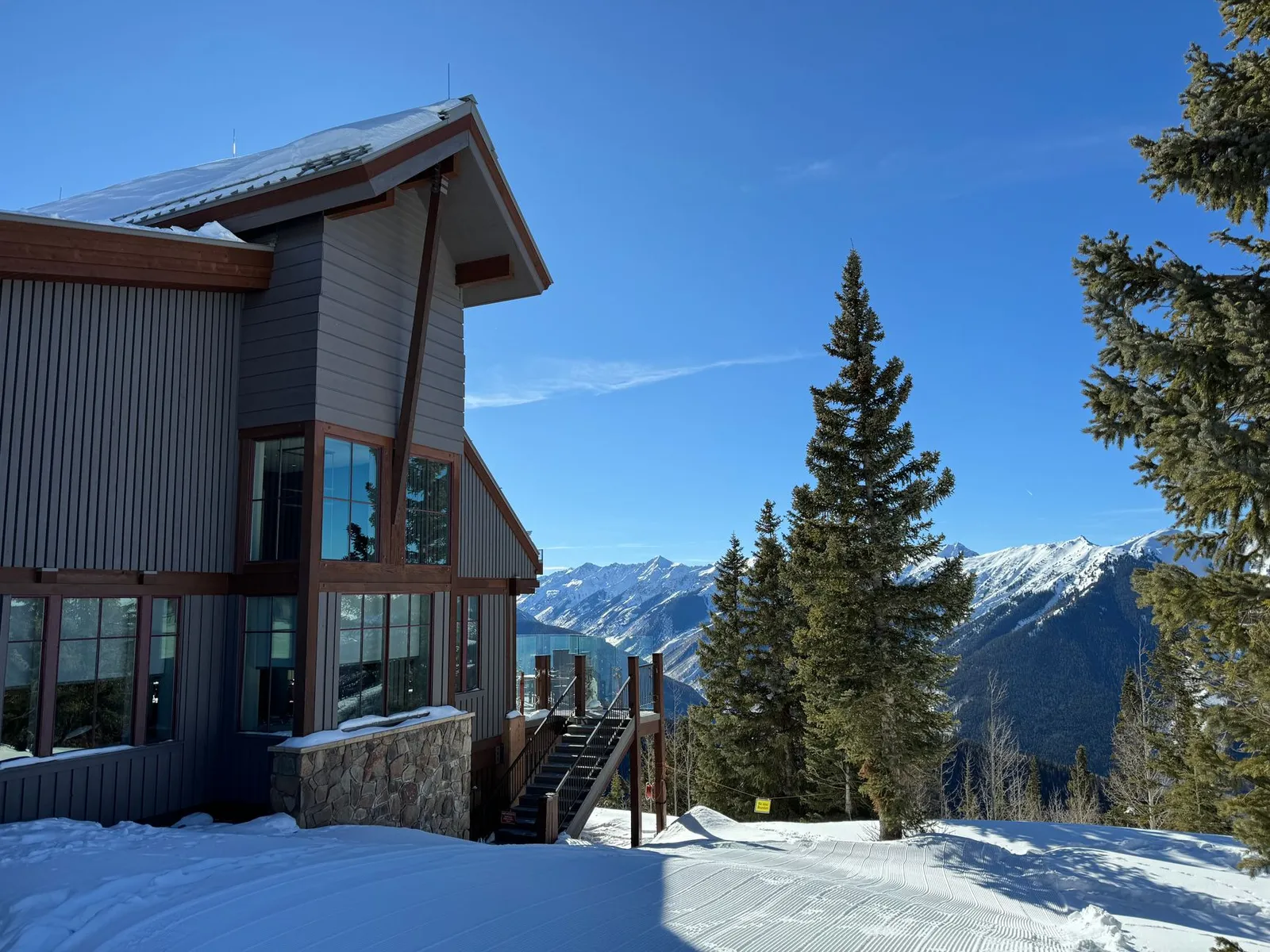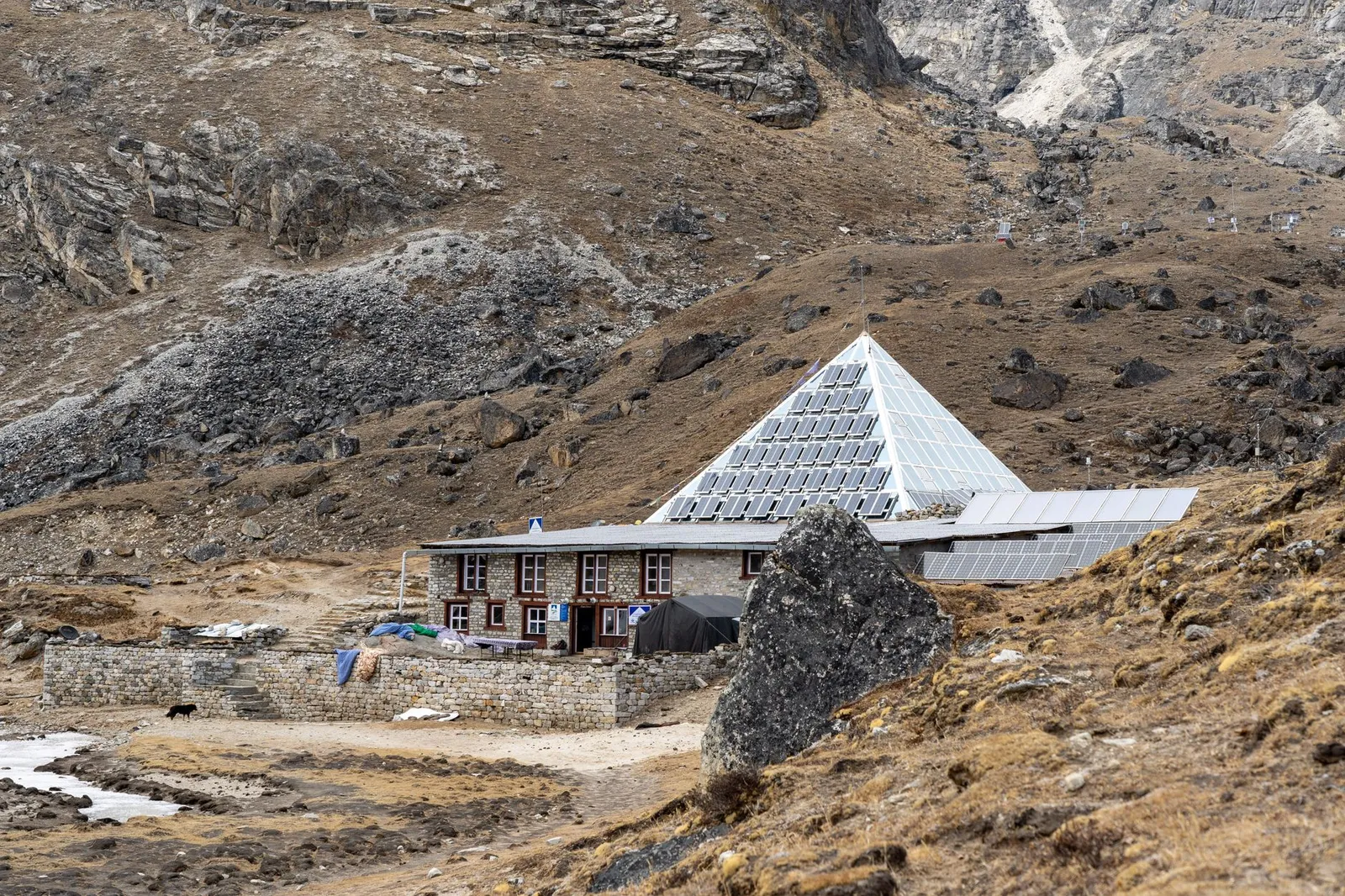
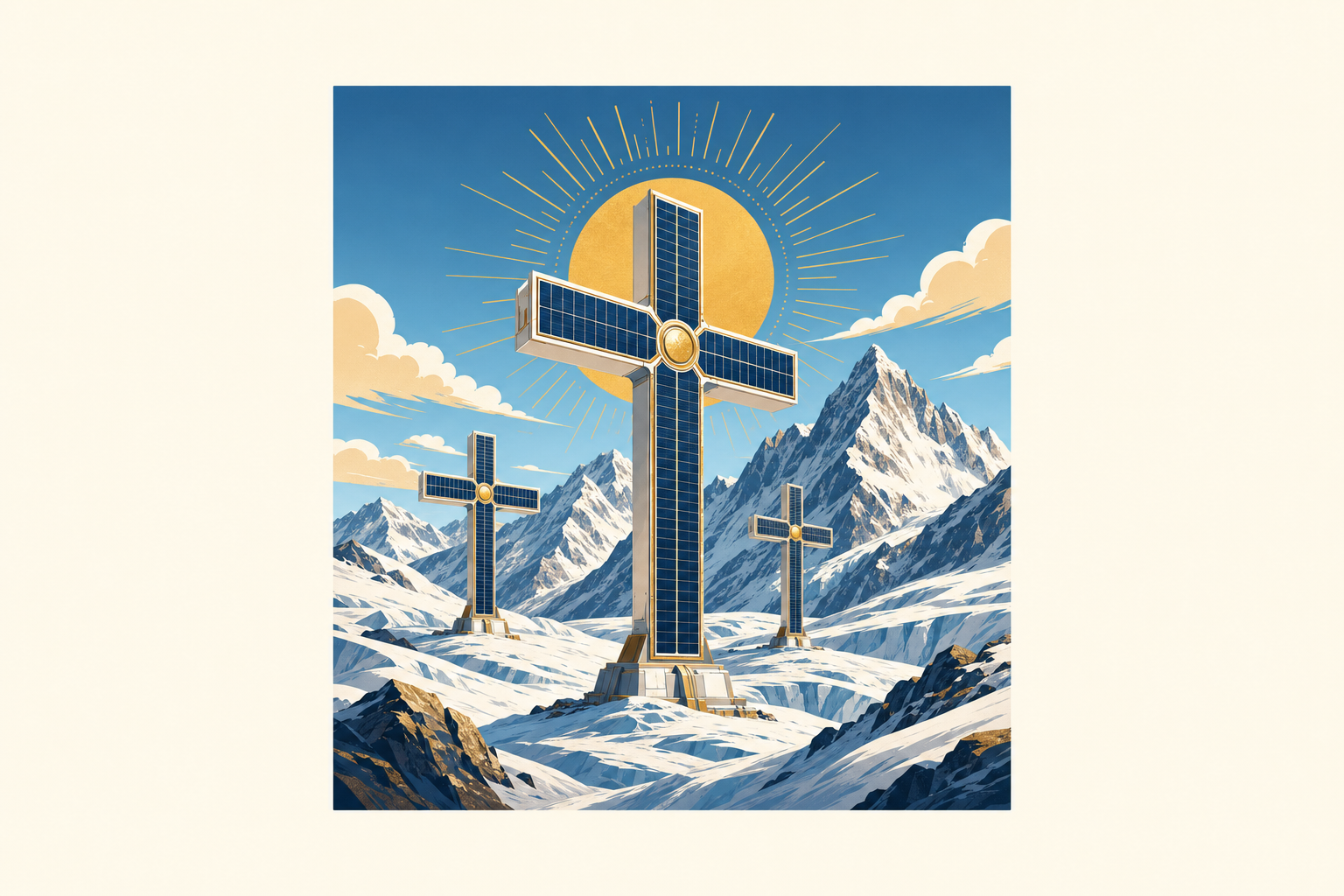
The resort sits at 9,350 feet. In a hard winter, it catches 26 feet of snow. And right now, engineers are bolting vertical solar crosses into the glacier — 60 live, 800 planned — each shaped so the mountain’s own wind scours a self-cleaning crater of ice around the base, turning the harshest alpine conditions into free maintenance.
I read that sentence three times before I fully believed it.
Most alpine sustainability stories follow a predictable arc: resort announces a carbon pledge, installs rooftop panels, drops a green badge in the footer, moves on. This Austrian glacier project isn’t that. It’s infrastructure that earns attention on its own terms — visually arresting, technically clever, and built for conditions that would destroy conventional solar installations.
The Engineering Is the Story
Standard flat-panel solar systems at high altitude fail predictably: heavy snowfall loads kill yield and demand constant clearing. The Austrian engineering team solved both problems in one design. Vertical orientation dramatically reduces snow accumulation. The cross geometry channels wind to actively clear the base — and the reflective ice crater that forms around each unit actually boosts solar capture.
Engineering the mountain’s harshest conditions into an asset rather than fighting them. That’s a different mindset than most resorts bring to infrastructure planning.
For any resort team watching this: the lesson isn’t “go build vertical solar crosses.” It’s that the best sustainability investments are designed for your specific mountain, not installed despite it.
The Real Win Isn’t the Kilowatt Hours
Here’s where I think the genuine opportunity sits — and it has nothing to do with energy output.
Resorts spend enormous energy trying to prove their environmental commitments are real. Green certification plaques. Annual sustainability reports nobody reads. Carbon offset programs that feel abstract. What they rarely do is show you something.
Austria’s 800 solar crosses rising out of a snow-covered glacier at altitude look like they belong there. They’re camera-ready in a way no press release can manufacture. That’s the real asset: not just clean energy, but a visual identity anchored to place — something impossible to replicate at sea level or on a different mountain.
The resorts winning the sustainability story right now aren’t the ones with the biggest pledges. They’re the ones with the most specific commitments — investments native to their mountain, visible from the chairlift, and impossible to copy anywhere else.
What Independent Resorts Can Apply Today
You don’t need a glacier or a 9,350-foot summit to use this framework.
What unique constraint does your mountain have? What infrastructure problem, solved in a way that only works here, could double as your most compelling brand story? A snowmaking pond that doubles as summer kayaking? A slope-aspect challenge you solved with a creative grooming system? A wildlife corridor that became the centerpiece of your best brand video?
The strongest sustainability marketing doesn’t require a green budget. It requires noticing what’s already interesting about how your mountain operates — then building the narrative around that specificity.
Austria just showed what that looks like at scale on a glacier. Definitely worth a slide at your next capital planning meeting.
What infrastructure investment at your resort has storytelling potential your marketing team hasn’t explored yet?