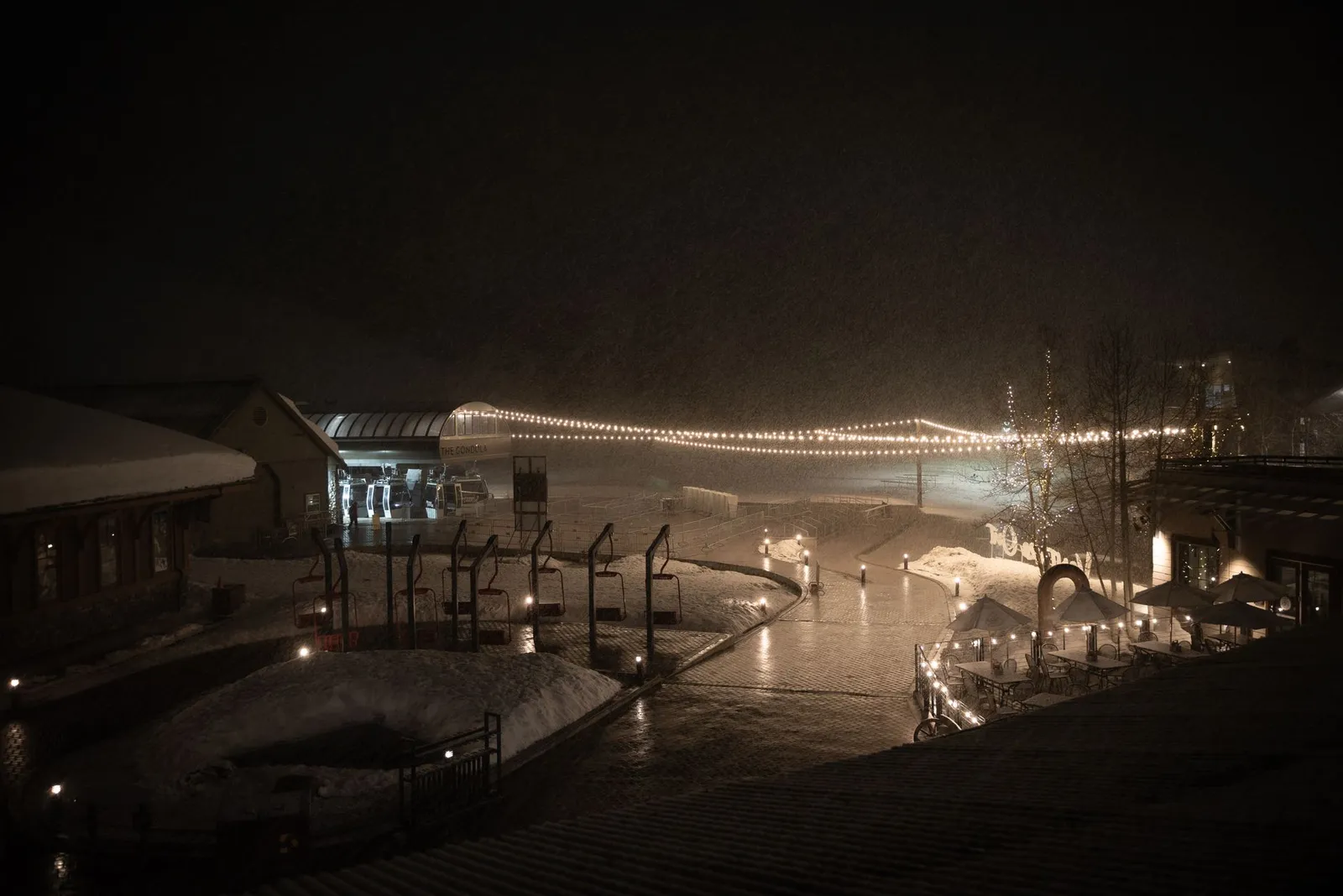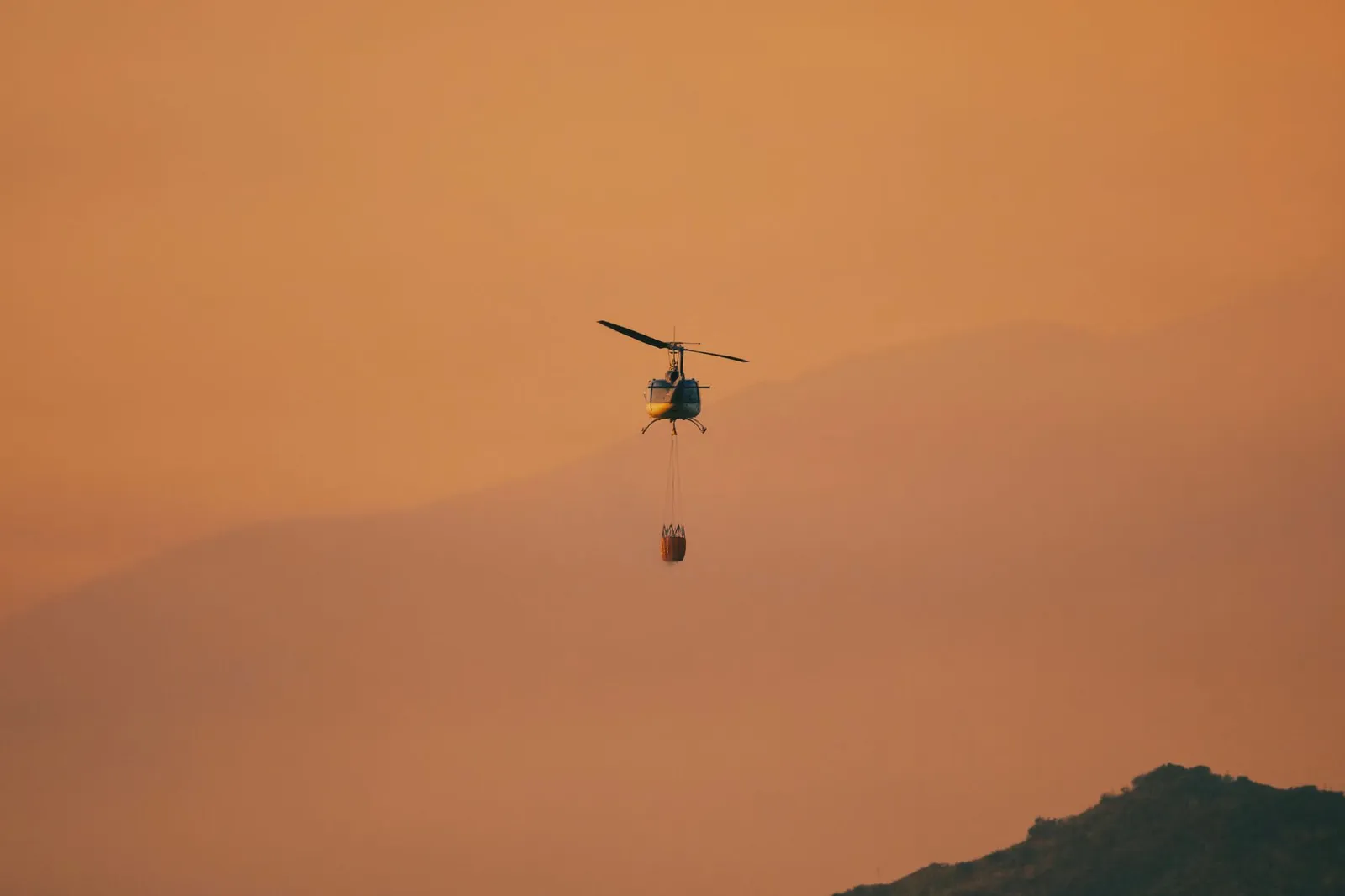
I saw the Eagle Point posts roll in and couldn’t stop thinking about what they were actually doing.
Eagle Point Resort in Utah — a small, independently owned mountain — was devastated by the Cottonwood Fire in late June 2026. Utah Governor Spencer Cox called it the most destructive wildfire in Utah state history. Half the resort’s terrain was destroyed. Buildings. Infrastructure. Equipment.
And Eagle Point’s marketing team kept posting. Real updates. Real details. They thanked firefighters by name. They shared damage assessments before they knew the full picture. They were human when a lot of operations would have gone quiet and let the lawyers handle it.
Here’s the quick answer: transparent, specific crisis communications don’t just protect your brand in a crisis — they become AI-cited content that builds long-term authority, and they’re the only thing that rebuilds audience trust when things go wrong.
Why Crisis Comms Is Now AI Discovery Content
This is the angle I haven’t seen anyone write: when you publish transparent crisis updates, you’re not just managing the news cycle. You’re creating exactly the type of content that AI search engines prioritize.
Specific, factual, first-person content is what Perplexity, Google AI Overviews, and ChatGPT cite when someone asks “what happened to Eagle Point ski resort.” A resort that publishes daily updates with dates, damage specifics, and named contacts gets cited. One that goes silent gets replaced by news wire summaries and Reddit speculation — neither of which you control.
The AI discovery playbook I’ve written about extensively lives on this principle: own your content, make it specific, keep it current. A crisis is a forcing function to do all three at once. That’s gnarly but true — your worst operational moment can become some of your best discovery content if you handle it with transparency.
The Three-Phase Playbook Every Resort Needs
Phase 1 — Immediate (Hours 0–48)
One statement. Confirm what you know, acknowledge what you don’t. Guest and staff safety first. Do not speculate on reopening timelines or financial impact. Your legal team will want to sanitize everything — that’s fine for press releases, but your social channels need to sound human. A single genuine post from the mountain reaches your actual audience faster than any boilerplate statement.
Phase 2 — Sustained Update (Days 2–14)
This is where Eagle Point nailed it. Daily or every-other-day updates on your owned channels — email list, website, social. Specifics matter here more than anywhere. “12 buildings damaged, lift infrastructure under assessment, seasonal staff being contacted individually” is reassuring. “We’re evaluating the situation” is not. Vague is scary. Specific is credible.
Phase 3 — Recovery Marketing (Weeks 3+)
The rebuild story. If there’s a path back, tell it. If there’s a fundraiser or community effort, amplify it. The documentation you create during Phase 2 — damage assessments, staff updates, thank-you posts — becomes the raw material for the recovery narrative. Every piece of transparent content you published in the crisis phase earns goodwill you can spend in this phase.
Build the Plan Before You Need It
The worst time to write a crisis communications plan is during the crisis. I’ve seen too many resort marketing teams scramble to find a template when something goes wrong.
Build these before you need them: a crisis email template for your list, a social media chain-of-command document (who approves what during an incident), a designated spokesperson, and a factual situation brief format. It sounds like administrative housekeeping until the Cottonwood Fire is moving toward your chairlifts at 40 miles per hour.
For on-mountain coordination when digital infrastructure fails, reliable radio comms are non-negotiable. Rocky Talkie mountain radios are built for exactly this — when cell towers are down and team coordination is critical, you need hardware that doesn’t depend on a WiFi signal.
The Part Worth Holding Onto
Eagle Point’s mountain community showed up fast when they got transparent. Skiers rallied, fundraisers launched, the industry took notice. That’s not an accident — that’s years of authentic content building community trust in advance.
The resorts that invest in community before the crisis are the ones who get the support after it.
Every mountain on fire risk, flood risk, or mechanical failure risk should have a crisis comms playbook written before opening day. Does yours exist — or are you planning to figure it out on the lift?
If your team wants help building a crisis communications framework that doubles as AI discovery content, that’s a conversation I’m happy to have.