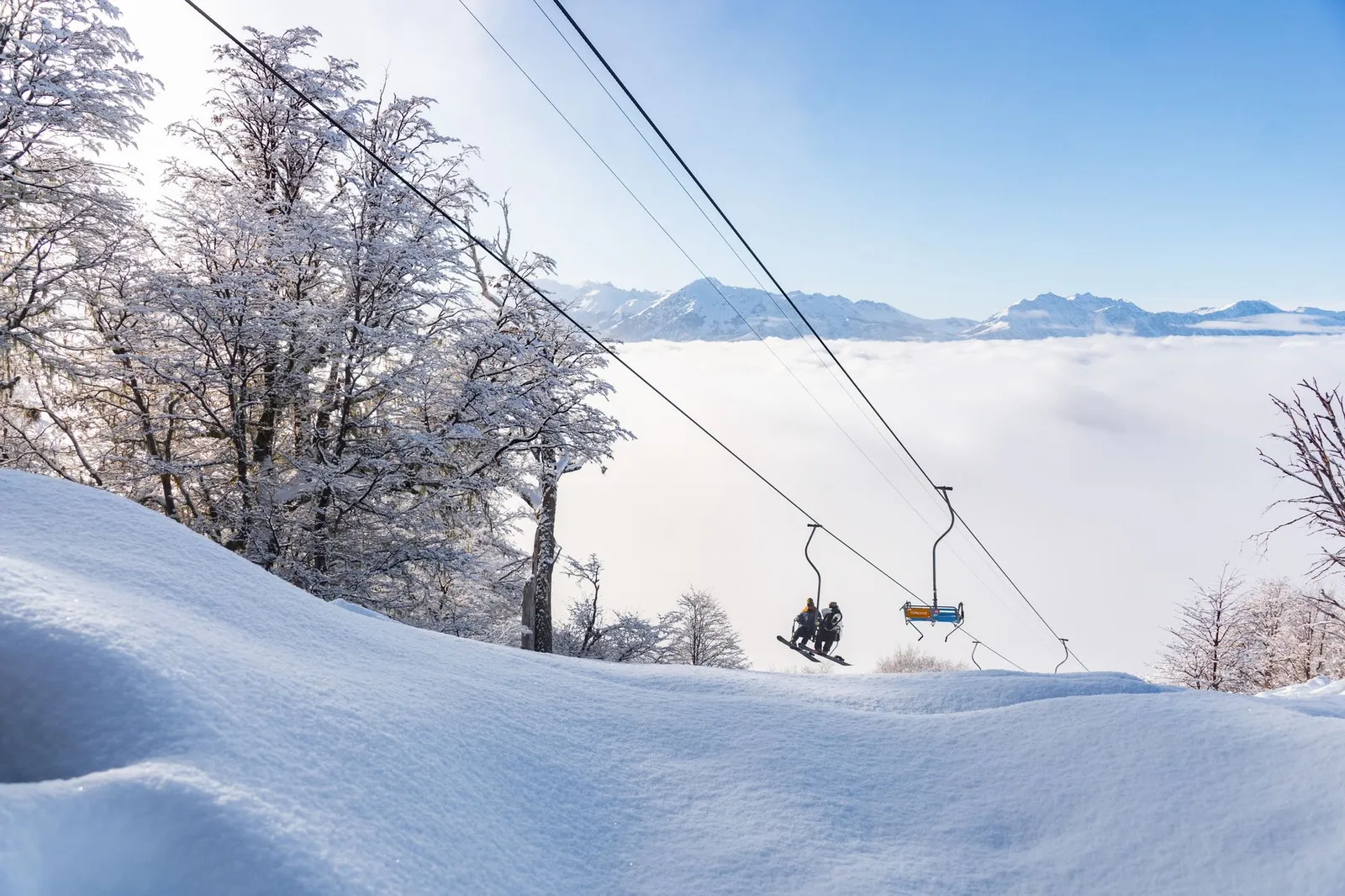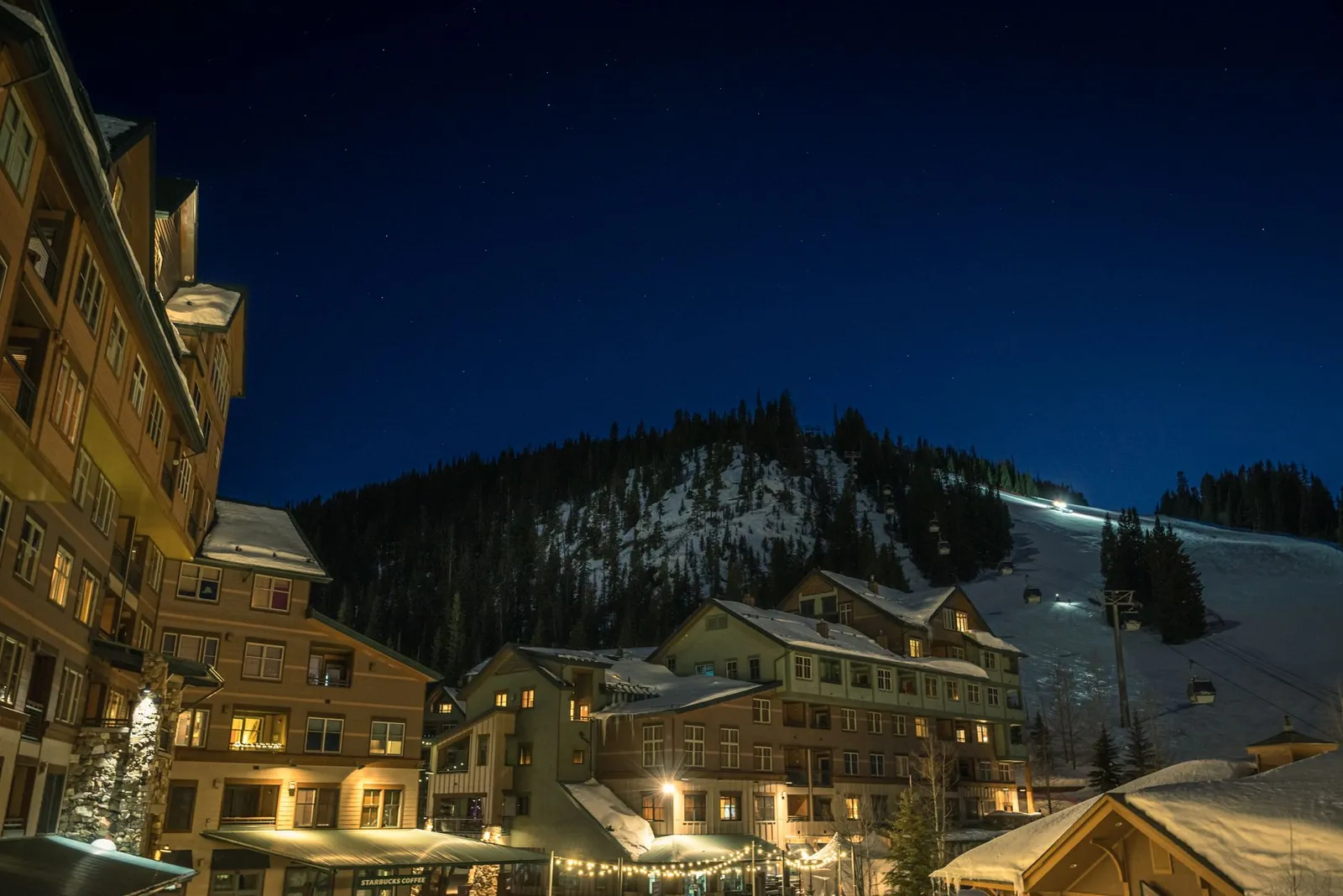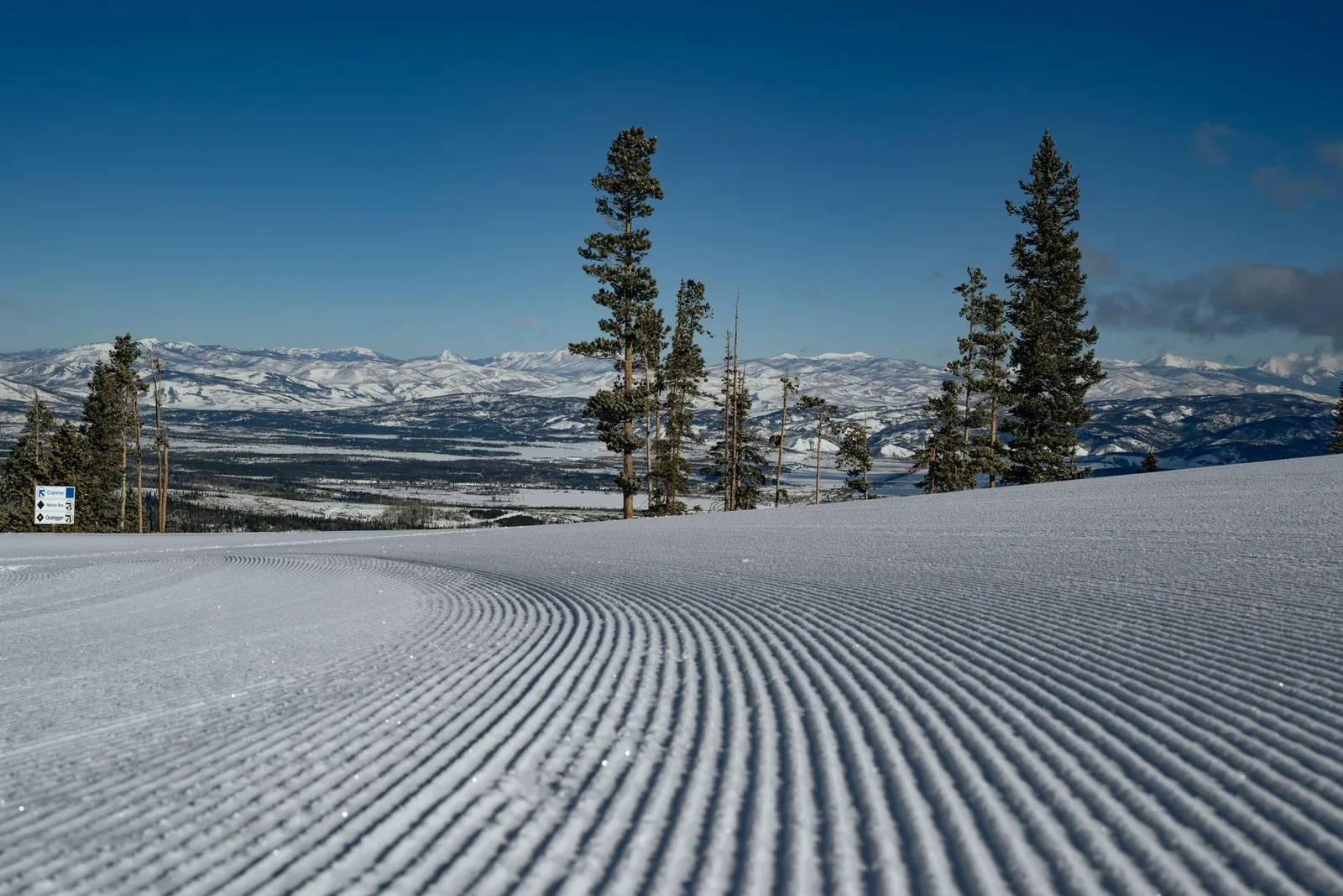
It’s July, your mountain is a bike park, and NOAA just handed you what might be the best free marketing asset of the decade. Eighty-one percent probability of a record-strength El Niño by October–December 2026. If you’re a Southern Rockies or Sierra resort and your August pass email campaign doesn’t mention it, I honestly don’t know what you’re waiting for.
Let me walk through exactly how I’d use this.
The Forecast Is Real — And Specific Enough to Sell
NOAA’s July 9 ENSO update puts a 97% chance of El Niño continuing through early spring 2027, with an 81% probability of reaching “very strong” intensity. That’s not a vague seasonal outlook. That’s a forecast with specific regional implications you can translate into campaign language.
For the Southern Rockies and Sierra Nevada, strong El Niño winters historically push the Pacific jet stream south — funneling back-to-back Pacific storms into Utah, Colorado, California, and the Southwest. The 2016-17 El Niño delivered Mammoth’s biggest snowfall in a generation. Telluride and Taos both had monster years. That’s the historical analog resorts in those regions should be referencing.
For PNW and northern Rockies resorts, the picture is more honest — warmer and drier is the El Niño pattern. I’ll get to the playbook for that situation separately below.
The August Window Is the One That Matters
Most resorts have their early-bird pass deadlines in late August or early September. That window is where you need this campaign running. Once October arrives, the urgency shifts to last-call pricing — the story changes.
Right now, in late July, you have time to:
- Build a “Forecast-Backed Pass” campaign. Lead with the NOAA data, link to the ENSO Advisory, then pivot to your pass pricing. “The last time conditions looked like this, our snowpack hit [X] inches. Passes are [price] through August 31.” That’s a specific, credible, non-hypey pitch.
- Segment your list by regional interest. Skiers who came to your resort from California, Texas, and the Southeast historically behave differently from your loyal locals. For drive-market guests, the weather story is the deciding factor. Hit them separately with the climate angle.
- Create one piece of social content using the NOAA probability numbers. Not a meme. A clean graphic: “81% chance of very strong El Niño this winter. Start planning now.” Simple. Factual. Shareable in the ski community without feeling like marketing BS.
The PNW Counter-Playbook
If you’re a Washington or Oregon resort, I get it — this forecast is not your friend, and pretending otherwise is a mistake. El Niño historically means warmer temperatures and lower snowpack for you. 2015-16 was brutal for PNW mountains.
The honest move? Lean into what’s actually controllable. Snowmaking investments, terrain flexibility, early-season value plays. “We built our snowmaking system precisely for years like this” is a defensible, credible message — if it’s true. Don’t run the weather campaign. Run the resilience campaign.
And double down on your summer and shoulder-season programming now. If El Niño delivers a warm winter, the resorts that had robust non-ski revenue strategies will feel it a lot less.
One More Angle: Condition-Based Urgency Is Underused
I’ve seen resorts drive strong early-buy conversion with a simple mechanism: “Buy by August 31, get a full refund if snowpack falls below X inches by December 15.” It’s a guarantee against exactly the risk guests are weighing. In a high-confidence El Niño positive year, for a Southern Rockies resort, that guarantee is cheap to offer and massively compelling to the fence-sitter.
Not every resort has the operational will to run that offer. But if yours does — and the forecast supports it — this is the summer to try it.
The resorts that will come out of the 2026-27 pre-season with record pass sales are the ones treating this NOAA forecast like the sales asset it is. Are you using it? Or are you still running the same August campaign you ran in a neutral year?