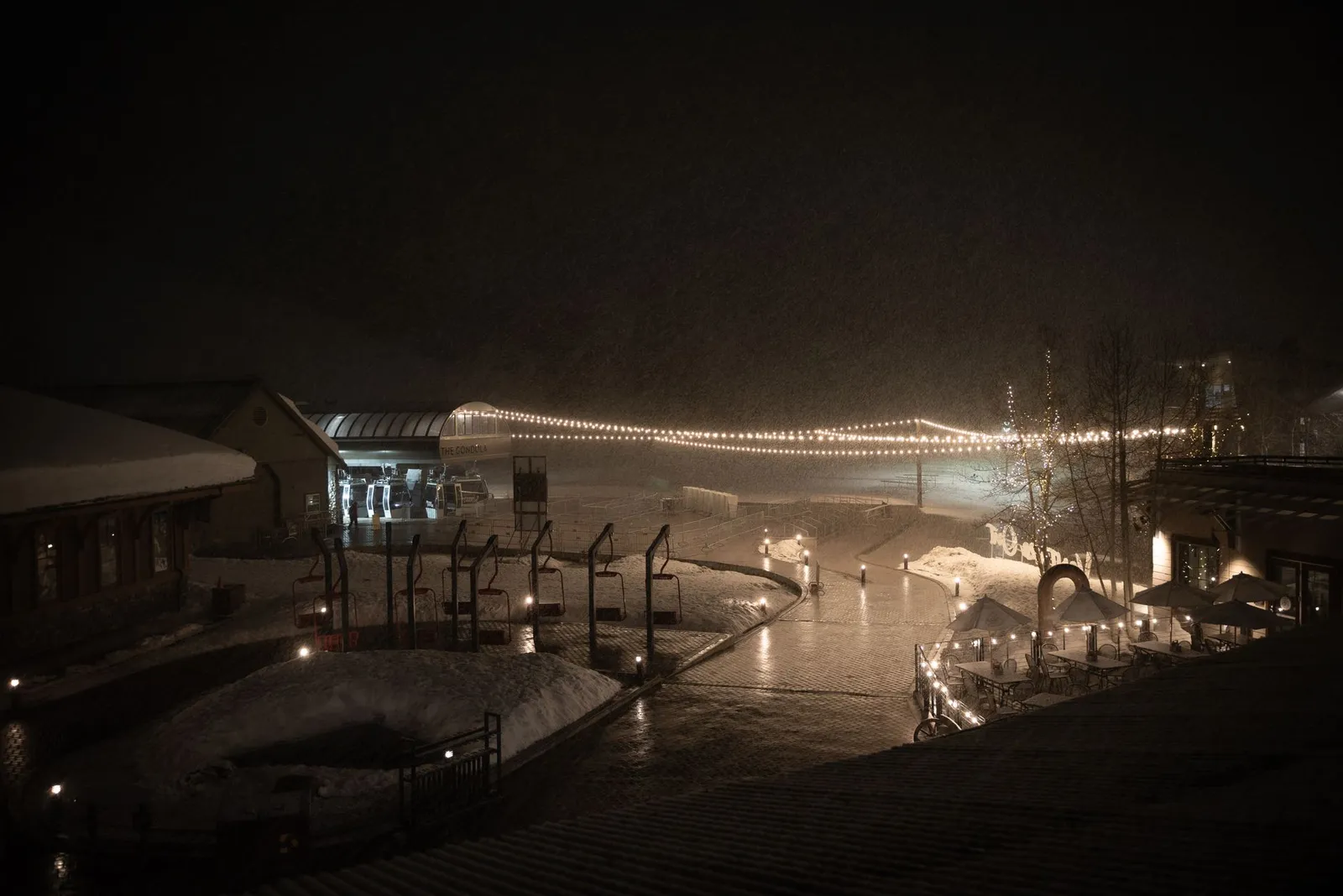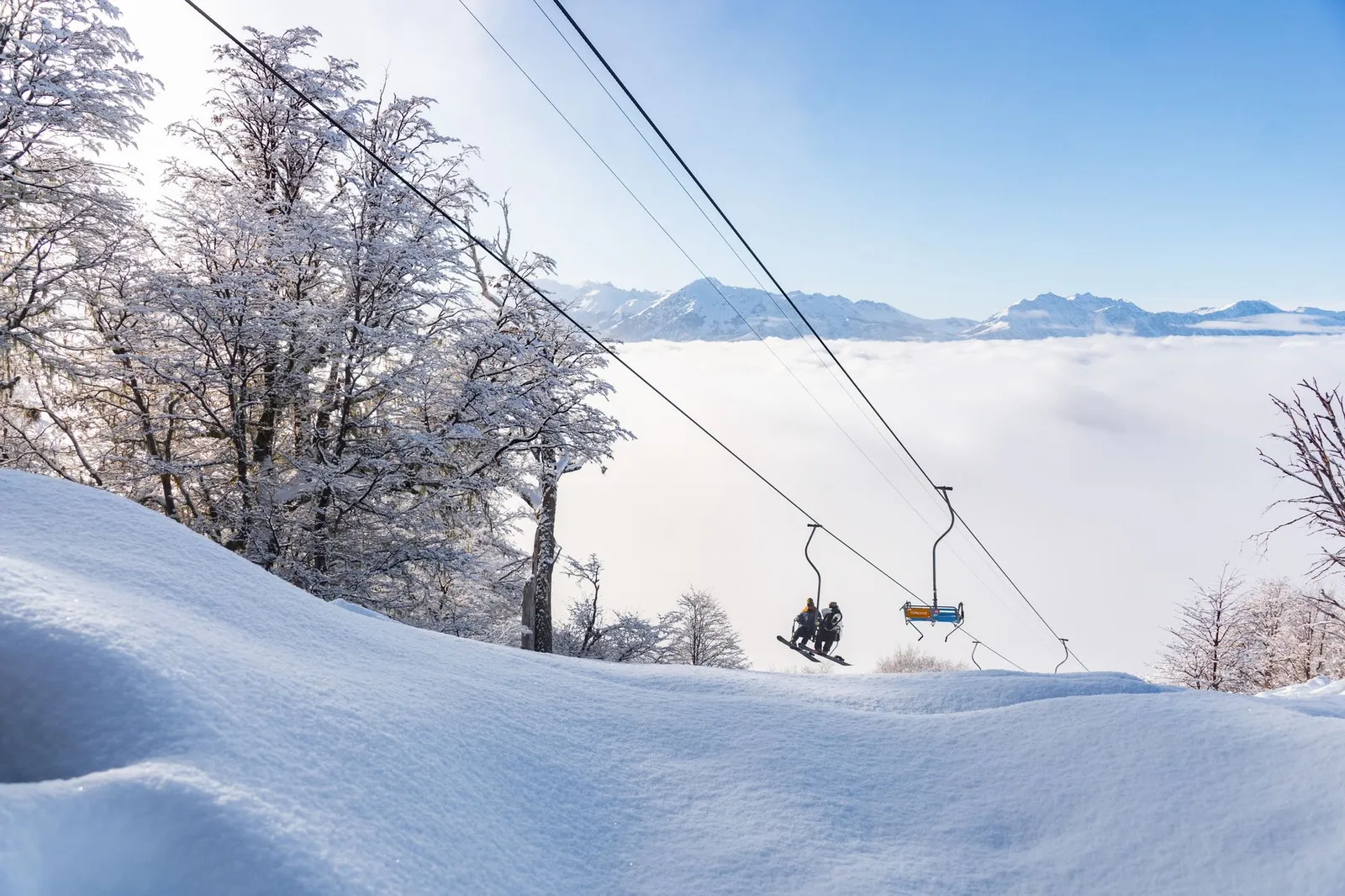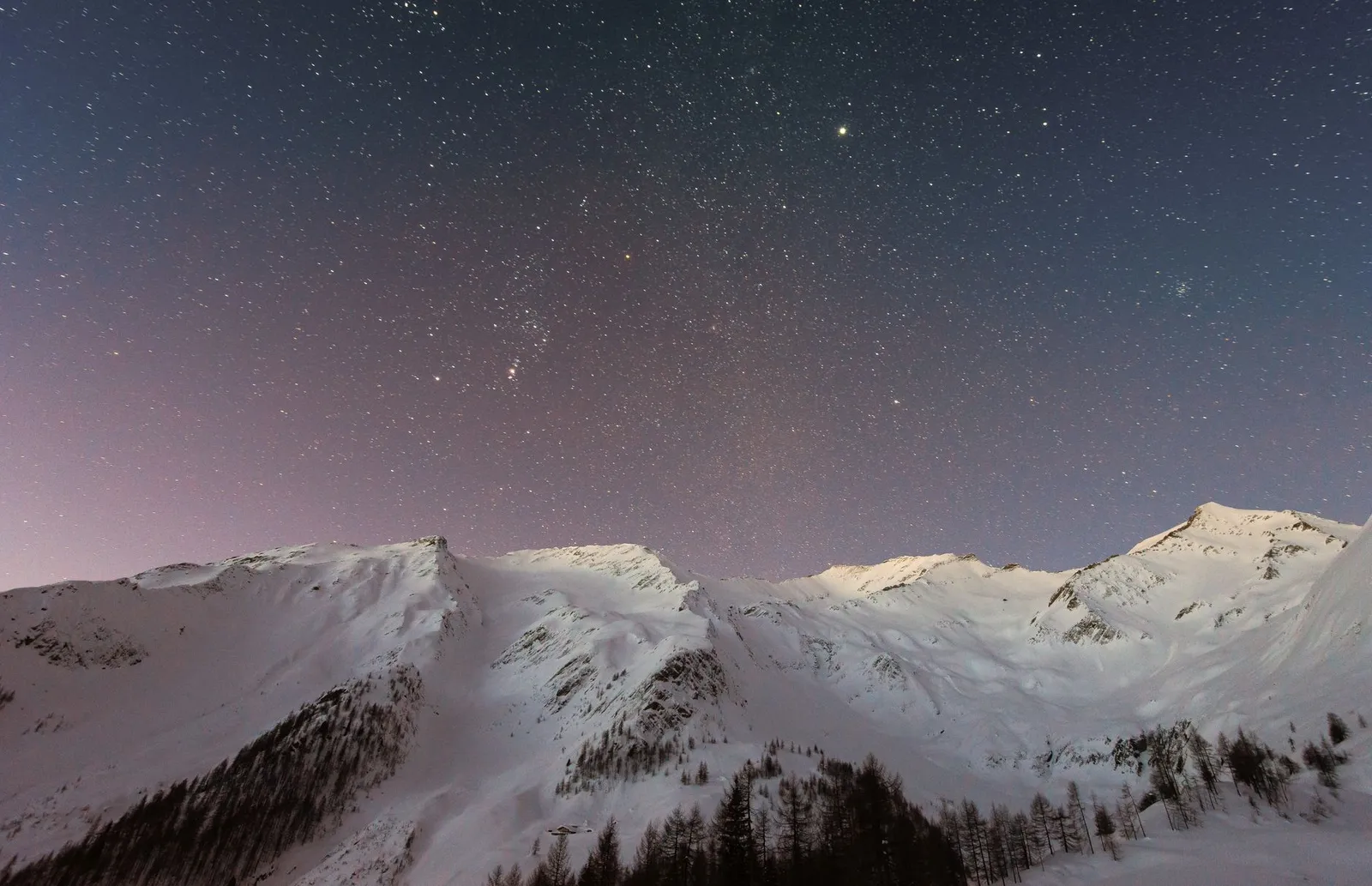
The Seattle Times ran a piece Monday about getting prime Perseid viewing from Washington’s largest ski area. If you missed it, that resort is Crystal Mountain — and somebody on their team is thinking clearly about summer.
The Perseids peak August 11-12. That’s two weeks from now. If your resort has a gondola, a tram, or any lift-accessed alpine viewpoint, you have everything you need to run this play before the window closes — or to put it on your 2026-27 calendar right now so you’re first out of the gate next year.
Why Celestial Events Are a Cheat Code for Summer Marketing
Most summer resort programming has a timing problem. You’re promoting hiking, biking, scenic rides — activities that are available every weekend in July and August, which makes urgency nearly impossible to manufacture. “Come up for a lift ride” competes with every other leisure option in a mountain town.
“Watch 80 meteors per hour from 8,000 feet on one specific night” does not have that problem.
Astronomy events are a rare category of resort marketing where the calendar does the work for you. The Perseids happen the same window every August. They’re searched heavily in late July as people start planning. They generate genuine FOMO among the audience you want — the adventurous, experience-driven crowd that’s planning summer weekends two to four weeks out. And the altitude advantage your resort has over every ground-level observation point is a genuinely unique hook, not a manufactured one.
Altitude matters for stargazing in a real and explainable way: thinner atmosphere means less light scattering, less moisture interference, less atmospheric turbulence. Your resort at 8,000 or 10,000 feet is meaningfully better for this than someone’s backyard in the valley. That’s a concrete value proposition, not marketing fluff.
The Actual Playbook (Not Just the Concept)
Here’s how I’d run this with minimal lead time and a lean team:
Cap attendance hard — 50 or 75 tickets creates scarcity that sells itself and keeps operations manageable. Price it like an experience, not a chairlift ride. $35-55 per person for an after-hours gondola ride plus a narrated meteor watching window feels right for most mountain markets. If your resort has a summit restaurant or lodge, this pairs naturally with a hot drink or light food component that adds perceived value and actual revenue.
Brief your team on the basic Perseid facts — what the shower is, why altitude helps, what to look for. Staff don’t need to be astronomers. They need three talking points and genuine enthusiasm. The experience sells itself once people are looking up.
Content happens automatically. Guests at an astronomy event are already looking at something beautiful and unusual, already reaching for their phones. Brief your team to be available for a group shot at the summit or gondola departure, capture a few behind-the-scenes clips for your own channels, and let guests do the rest. A well-placed Rocky Talkie radio check between your lift ops crew and summit team — the kind of thing that makes the operation feel professional and mountain-native — is exactly the kind of detail that shows up in guest content.
The Repeatable Calendar Hook
The Perseids are predictable. They happen every August 11-12, give or take a day on either side. If you run this event once and nail the execution, you have a template that replicates itself annually with a fraction of the planning effort.
Put it on your 2027 content calendar now, in July, before the season planning cycle starts. The resorts winning on summer programming aren’t reinventing the calendar every year — they’re finding high-signal annual moments and building reliable rituals around them. A full moon snowshoe tour, a wildflower peak hike, an annual meteor shower viewing night. Each one is a reason to come back on a specific date, not just a reason to visit “sometime this summer.”
Crystal Mountain spotted this one. The question is whether you’re building your version before August 12th — or adding it to next year’s calendar right now, while the stoke is fresh.
What annual natural events does your mountain already own — and are you treating them like marketing assets or just mentioning them in passing?