I was mid-timeline on a GoPro edit when the news dropped: Nick Woodman just personally loaned his own company $20 million to keep the lights on. Not a funding round. Not a strategic investment. An emergency loan — because GoPro’s stock had already collapsed roughly 99% from its peak and SEC filings were now flagging “substantial doubt” about its ability to continue operating.
That’s not a dip. That’s an avalanche nobody on the marketing team wanted to document.
What Actually Happened to GoPro
GoPro invented the action camera category and dominated it for over a decade. Then DJI and Insta360 came in with better sensors, smarter stabilization, and more aggressive pricing — and didn’t look back. Tom’s Guide declared in February 2026: “Sorry GoPro, the DJI Osmo Action 6 just won the action camera war.” Reuters reported in May that GoPro was reviewing options including a possible sale.
The MISSION 1 Pro launch at NAB Show in April — an 8K cinema camera priced at $699 — was a genuine swing at reinvention. But a company that built its empire on accessible $400 action cams doesn’t save itself by pivoting to $700 cinema accessories. Reviewers called it the best video GoPro has ever shot and immediately asked whether anyone actually needed it at that price point.
What This Means for Your Resort Content Team
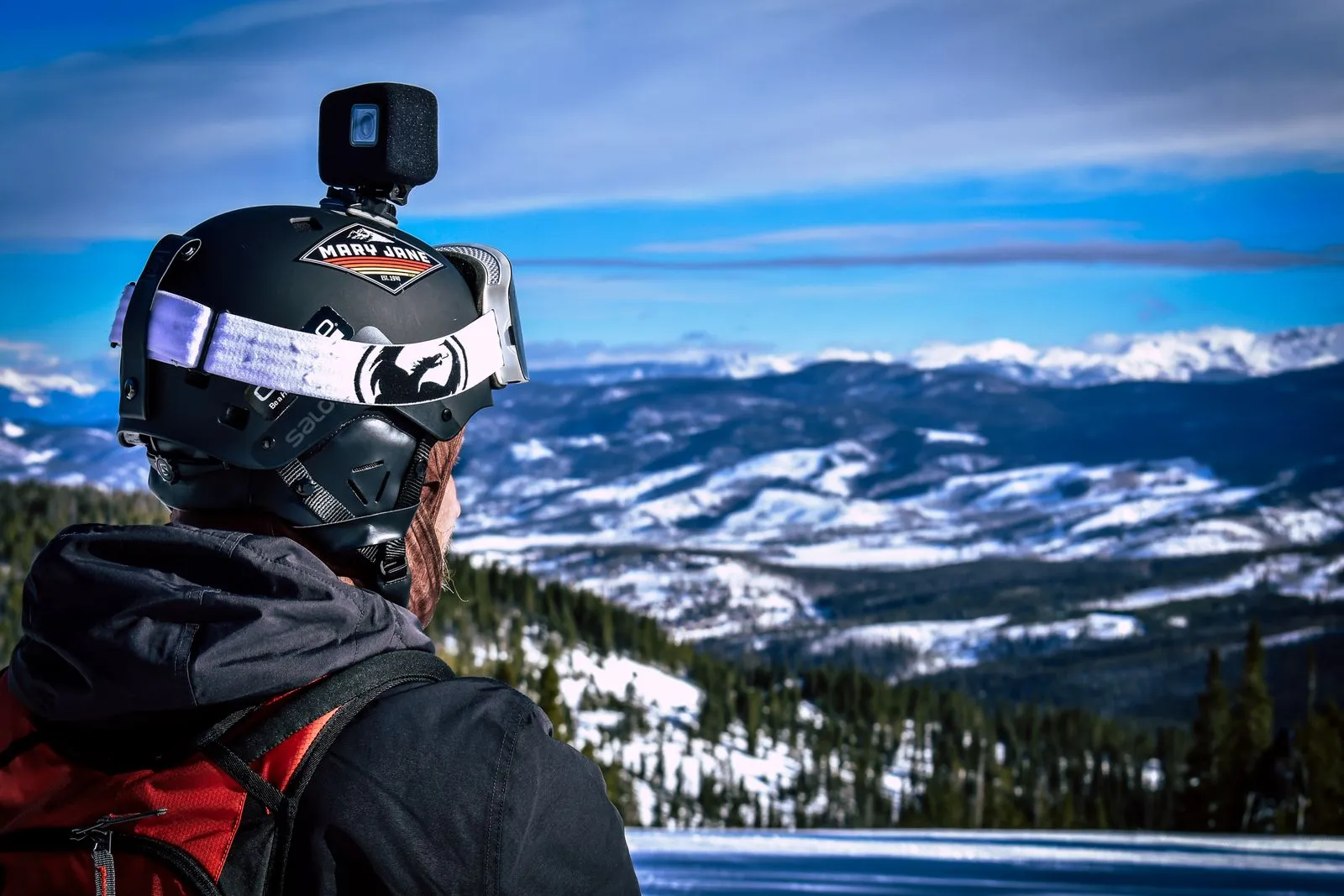
The GoPro is basically standard issue at most resorts: helmet cams, follow cams, lift-tower time-lapses. It’s the camera you can hand to a seasonal hire and get usable footage out of in the same shift.
Here’s the practical reality: your existing GoPros still work. Inventory isn’t going anywhere overnight. The near-term risk isn’t that your cameras brick — it’s what happens to firmware support, app stability, and accessories supply if the company gets acquired, restructures, or enters bankruptcy proceedings. Sony, Amazon, and Samsung have all been floated as potential buyers. But “under review” doesn’t mean a deal closes before your season opens.
The GoPro app is also deeply baked into most resort content workflows. A platform change mid-season — same cameras, different owner, different support policies — is the gnarly scenario worth thinking through now while you’re not two weeks from opening day.
The Diversification Play
If you have any off-season content budget, this is the moment to break single-brand dependency. The DJI Osmo Action 6 is genuinely excellent — better in low-light and more forgiving on the color science when you’re shooting sun-on-snow without spending an afternoon in DaVinci Resolve trying to fix a blown-out sky. It’s also hitting record-low Prime Day pricing right now, with the Action 4 down to around $169.
The Insta360 Ace Pro 2 is worth a look for 360-degree slope coverage, and the Insta360 X6 — FCC-certified and expected to drop this fall — looks like a significant leap in 360 quality for recap and highlight content. Two brands in your content kit also means you’re not fully grounded if one company’s app breaks on a powder day. Insurance with better footage.
The Bigger Picture
The ski industry runs on visual content. Every trail, every lift, every fresh track is a production opportunity — and the camera capturing it needs reliable software and a supply chain behind it for seasons to come. A $699 camera that works perfectly today but gets orphaned by a corporate restructuring in February is an expensive problem at the worst possible time.
GoPro might get acquired and come back stronger. Or it might follow the Kodak path that TechRadar suggested back in June. I genuinely don’t know — and neither does anyone outside that boardroom. What I do know is that resorts that built their entire content pipeline on one platform are one reorganization away from a serious scramble.
The action camera market just sent you a free warning shot. What does your current content kit look like — all-in on one brand, or have you already started diversifying?