I’ve been filming on GoPros for years — chest mounts, follow cams, helmet rigs — and I can tell you exactly what changes when the processor doubles in power: you stop working around the camera’s limitations and start letting it work for you.
GoPro confirmed the Hero 14’s GP3 processor for Q2–Q3 2026, and CEO Nick Woodman publicly called it “bleeding-edge, cinema-grade performance.” I don’t say that lightly: for a ski resort content team, this is a bigger deal than most gear refreshes.
Here’s the quick answer: the GP3 chip’s combination of 2x processing power, AI Neural Processing Unit, and silicon-anode cold-weather battery is the first time an action camera has legitimately competed with cinema-grade tools rather than being compared to other action cameras.
What the GP3 Actually Changes
The spec nobody’s talking about but every ski resort content team should care about: silicon-anode battery chemistry.
Conventional lithium batteries in sub-zero temperatures lose 30–40% of rated capacity immediately. You’ve felt this — you start a full powder day with a “full” battery and you’re swapping by the first lift ride. The GP3’s new chemistry was specifically designed to maintain output in alpine environments. A full filming day without a battery swap isn’t just convenient — it’s a different production workflow.
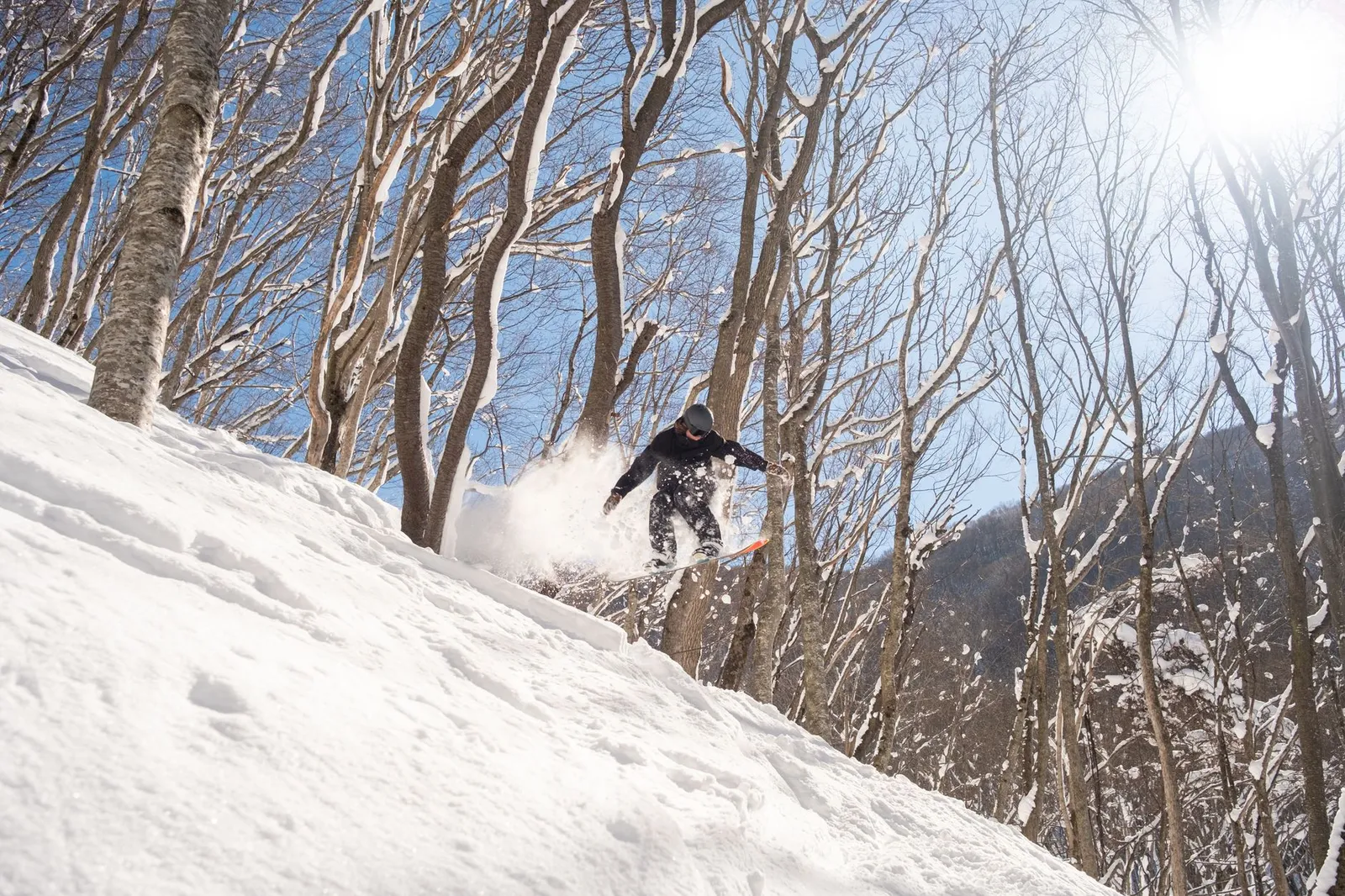
The AI Neural Processing Unit handles real-time scene and subject detection. That means stabilization that understands it’s tracking a skier in motion, not just compensating for generic shake. For follow cam work — my favorite use case — this is genuinely rad. Early teaser footage GoPro released in March 2026 shows macro sharpness, shallow depth of field, and natural bokeh that looks closer to Sony FX30 output than anything I’d expect from a helmet cam.
How It Stacks Against the Current Field
The market right now is legitimately competitive. DJI, GoPro, and Insta360 are all pushing hard, and resort content teams are the direct beneficiaries.
The DJI Osmo Action 6 currently leads on low-light performance — the sensor dynamic range in the current generation outperforms GoPro in dawn patrol conditions. If your resort does early-morning content, DJI is worth serious consideration right now.
The Insta360 X5 remains my recommendation for resorts that want AI-reframe capability and 360-degree perspectives. It’s a fundamentally different tool — the ability to reframe footage in post and choose your angle after the fact is a game-changer for resort social media teams who need multiple crop ratios from a single shot.
The GoPro Hero 13 Black is still a dialed option if your team needs more units at lower cost, or if you want to test the GoPro system before committing to a Hero 14 upgrade. It’s what I’d recommend as a B-camera for follow cam and B-roll when the Hero 14 is your A-camera.
For the Hero 14 — available via Amazon pre-order once it launches — the target use case is narrative skiing content, hero shots, and follow cam work where you need cinema-quality depth of field and cold-weather reliability.
The Budget Question for Resort Content Teams
I covered GoPro’s pricing strategy when the Hero12 Black dropped to $269 — that’s still a strong option for teams that need volume over flagship specs.
The smart play for most resort content teams is probably one Hero 14 for hero shots and primary filming, plus a couple of Hero 13s or Hero 12s for B-roll and follow cams. The Hero 14 will launch at a premium. You don’t need every camera to be a Hero 14 — you need your hero shots to be.
What This Means for the 2026-27 Season
The gear arms race in action cameras is genuinely exciting right now. Resort content teams that upgrade strategically before season opens will have a real creative advantage. The marketing content you can produce with a Hero 14 as your A-camera — cinema-quality depth of field, reliable cold-weather battery, AI-assisted stabilization — will look different from anything that was possible even two seasons ago.
That’s not downhill from here — that’s a freshly groomed corduroy run at 7 AM, untouched and yours.
Are you buying the Hero 14 on launch, or waiting for reviews and a post-launch price adjustment? And has DJI’s low-light lead pulled any of your content budget away from GoPro this season?
If your resort’s content strategy needs more than a gear upgrade — if you’re figuring out how to turn that footage into marketing that actually moves the needle — let’s connect.